

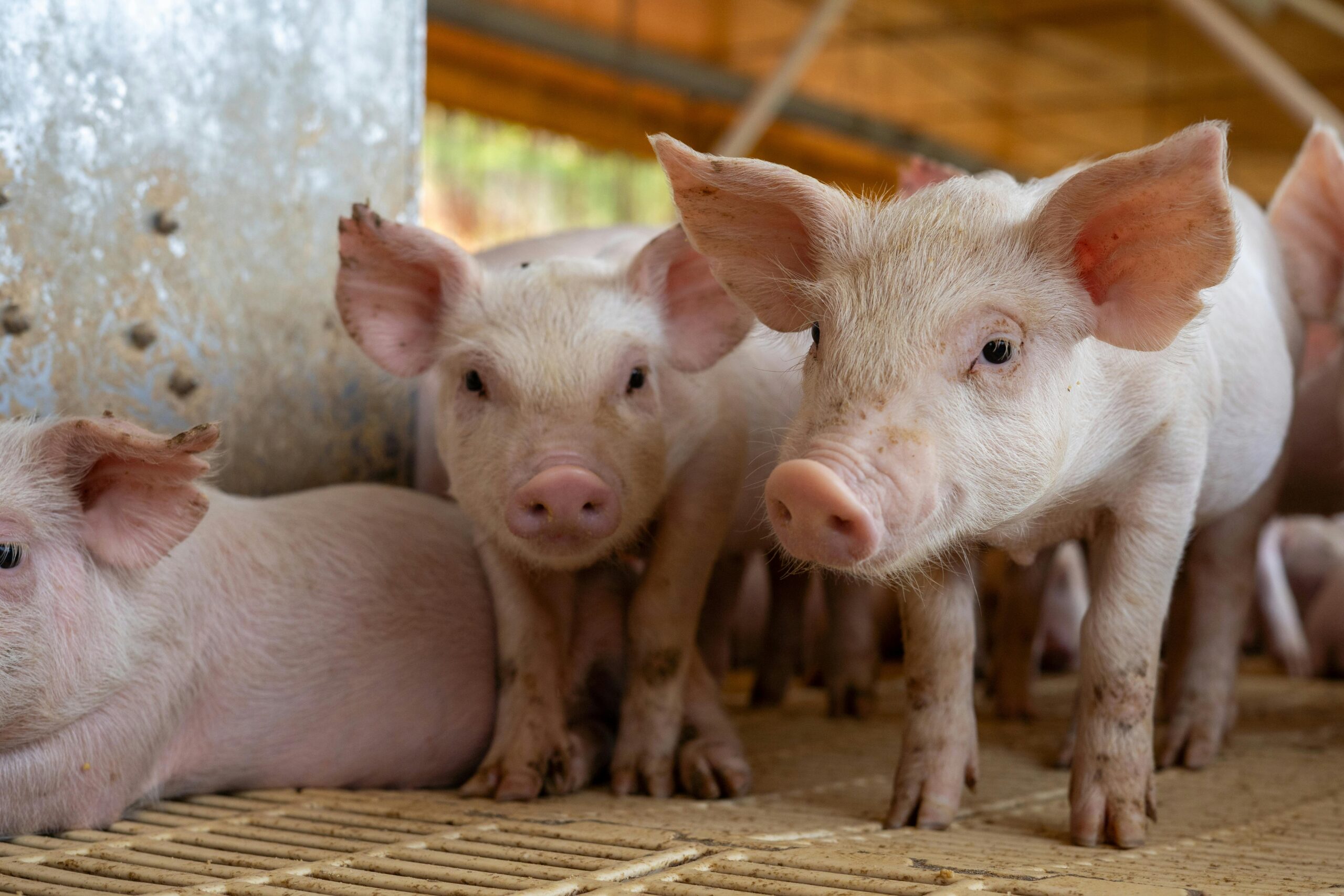
In the competitive world of livestock farming, maximizing productivity and profitability is paramount. While factors like feed and genetics play a crucial role, one often-overlooked aspect can significantly impact herd health and overall success: hygiene. A clean and sanitary environment is not just aesthetically pleasing; it’s a fundamental pillar of disease prevention, leading to healthier animals, reduced losses, and increased returns for Zimbabwean farmers. This blog post explores the importance of hygiene in various livestock sectors and offers practical strategies for implementation.
Why Hygiene Matters:
Just like humans, livestock are susceptible to a range of diseases, many of which thrive in unsanitary conditions. Poor hygiene creates a breeding ground for harmful bacteria, viruses, and parasites, leading to:
- Disease Outbreaks: Contagious diseases can spread rapidly in crowded and unclean environments, decimating entire herds or flocks.
- Reduced Growth Rates: Animals battling infections often have reduced appetites and poor nutrient absorption, resulting in slower growth and lower productivity.
- Increased Mortality: In severe cases, infections can lead to animal deaths, causing significant financial losses for farmers.
- Higher Veterinary Costs: Treating sick animals is expensive, impacting profitability and straining farm resources.
- Decreased Product Quality: Unsanitary conditions can affect the quality of meat, milk, and eggs, impacting marketability and consumer trust.
Practical Hygiene Strategies for Zimbabwean Livestock Farmers:
Implementing effective hygiene practices doesn’t require complex or expensive solutions. Here are some practical steps Zimbabwean farmers can take:
- Regular Cleaning: Clean animal housing regularly, removing manure, soiled bedding, and spilled feed. Frequency will depend on the type of livestock and the size of the operation.
- Disinfection: Use appropriate disinfectants to kill harmful pathogens on surfaces, equipment, and tools. Choose disinfectants effective against common livestock diseases in your area.
- Proper Ventilation: Ensure adequate ventilation in animal housing to remove ammonia and other harmful gases, promoting respiratory health.
- Waste Management: Implement proper waste disposal systems to prevent the accumulation of manure and other organic matter, which attract pests and breed disease.
- Quarantine Protocols: Isolate new animals before introducing them to the main herd to prevent the spread of potential diseases.
- Footbaths: Use footbaths at the entrance of animal housing to disinfect the hooves of animals and prevent the introduction of pathogens.
- Clean Water and Feed: Provide animals with access to clean and fresh water and feed to maintain their health and prevent the spread of disease.
- Pest Control: Implement effective pest control measures to eliminate rodents, insects, and other pests that can carry and transmit diseases.
Hygiene in Specific Livestock Sectors:
- Dairy Farming: Clean milking equipment and hygienic milking practices are crucial for producing high-quality milk and preventing mastitis in cows.
- Pig Farming: Pigs are particularly susceptible to respiratory diseases, making proper ventilation and regular cleaning essential.
- Poultry Farming: Maintaining dry litter and proper ventilation are critical for preventing diseases like coccidiosis and respiratory infections in chickens.
- Beef Farming: Clean and well-drained pastures can help prevent foot rot and other hoof problems in cattle.
The Role of Policymakers:
Policymakers can support farmers in implementing effective hygiene practices through:
- Providing training and education: Offering workshops and training programs on best practices in livestock hygiene and disease prevention.
- Promoting access to affordable disinfectants and cleaning supplies: Supporting local production and distribution of quality hygiene products.
- Investing in research: Funding research on effective hygiene protocols and disease control strategies for different livestock sectors in Zimbabwe.
- Developing and enforcing regulations: Establishing clear guidelines and regulations for livestock hygiene and waste management.
Cleanliness is a fundamental principle of successful livestock farming. By prioritizing hygiene, Zimbabwean farmers can significantly improve animal health, reduce disease outbreaks, increase productivity, and boost profitability. Pruex Zimbabwe understands the importance of a healthy livestock environment and offers a range of probiotic solutions to complement your hygiene practices and further enhance animal health. Contact us today to learn more about how our products can help you achieve optimal results:
Pruex Zimbabwe 501 Harare Drive, Msasa, Harare, Zimbabwe Email: Info@pruex.co.zw Tel: +263 74 014 7424 | +263 78 412 3453

Tell me more about your products