
How did we get here
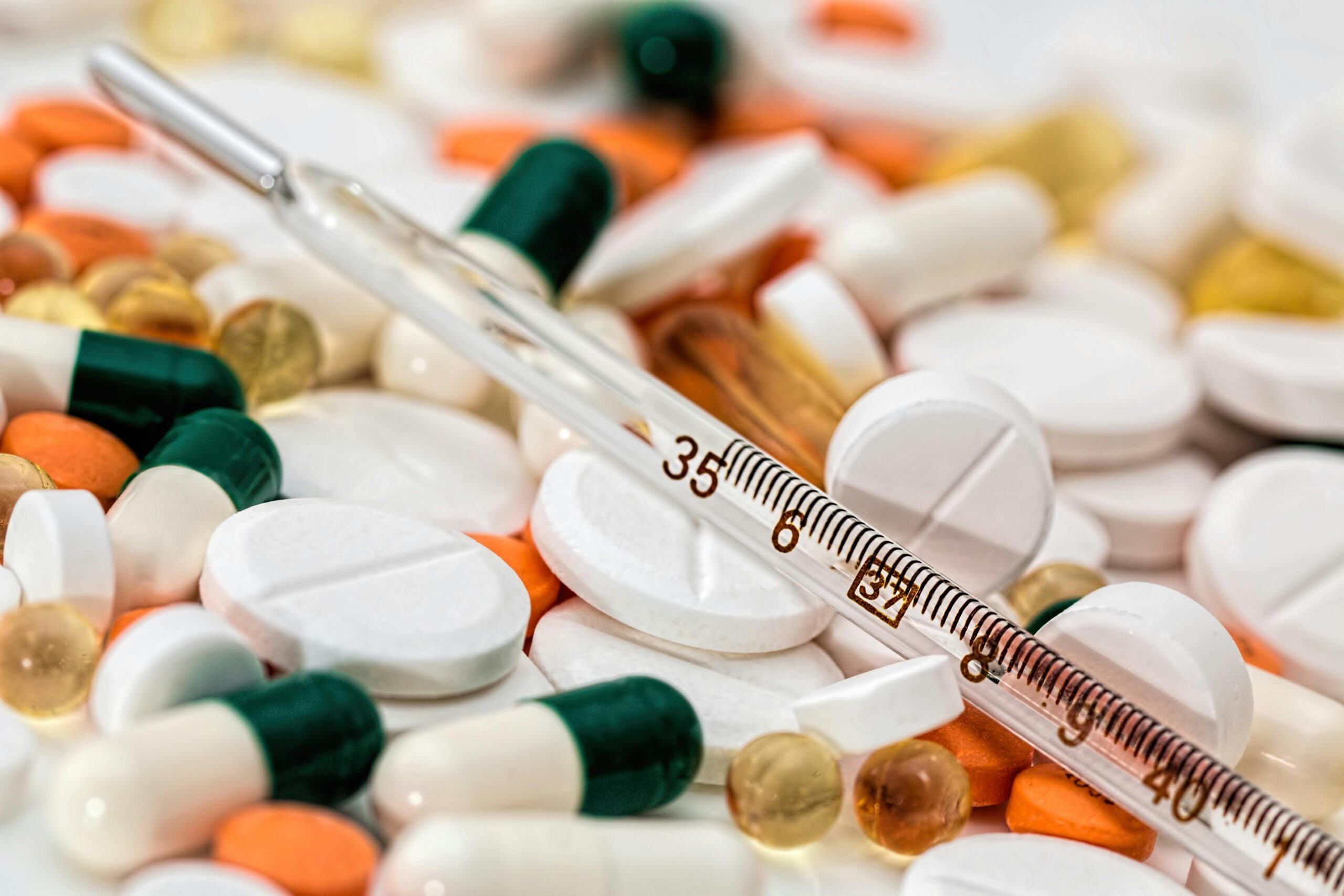
The rise of pharmaceutical technology, especially antibiotics, has revolutionized how we treat common infections. For decades, these powerful drugs have been essential in medical care. However, their overuse has led to a severe problem—antibiotic resistance. This happens when bacteria evolve to resist the effects of antibiotics, making it much harder to treat common illnesses.
The threat
Superbugs are strains of bacteria that have become resistant to antibiotics. These bacteria strains, often found in soil, have changed due to exposure to industrial chemicals and widespread antibiotic use. By 2050, experts believe that superbugs could cause nearly 40 million deaths. In 2019 alone, drug-resistant infections led to 1.27 million deaths worldwide. In the United States, over 35,000 people die each year from infections that don’t respond to antibiotics. The economic impact is also significant, with antimicrobial resistance expected to reduce global GDP by at least $3.4 trillion annually by 2030.
Finding the Alternatives
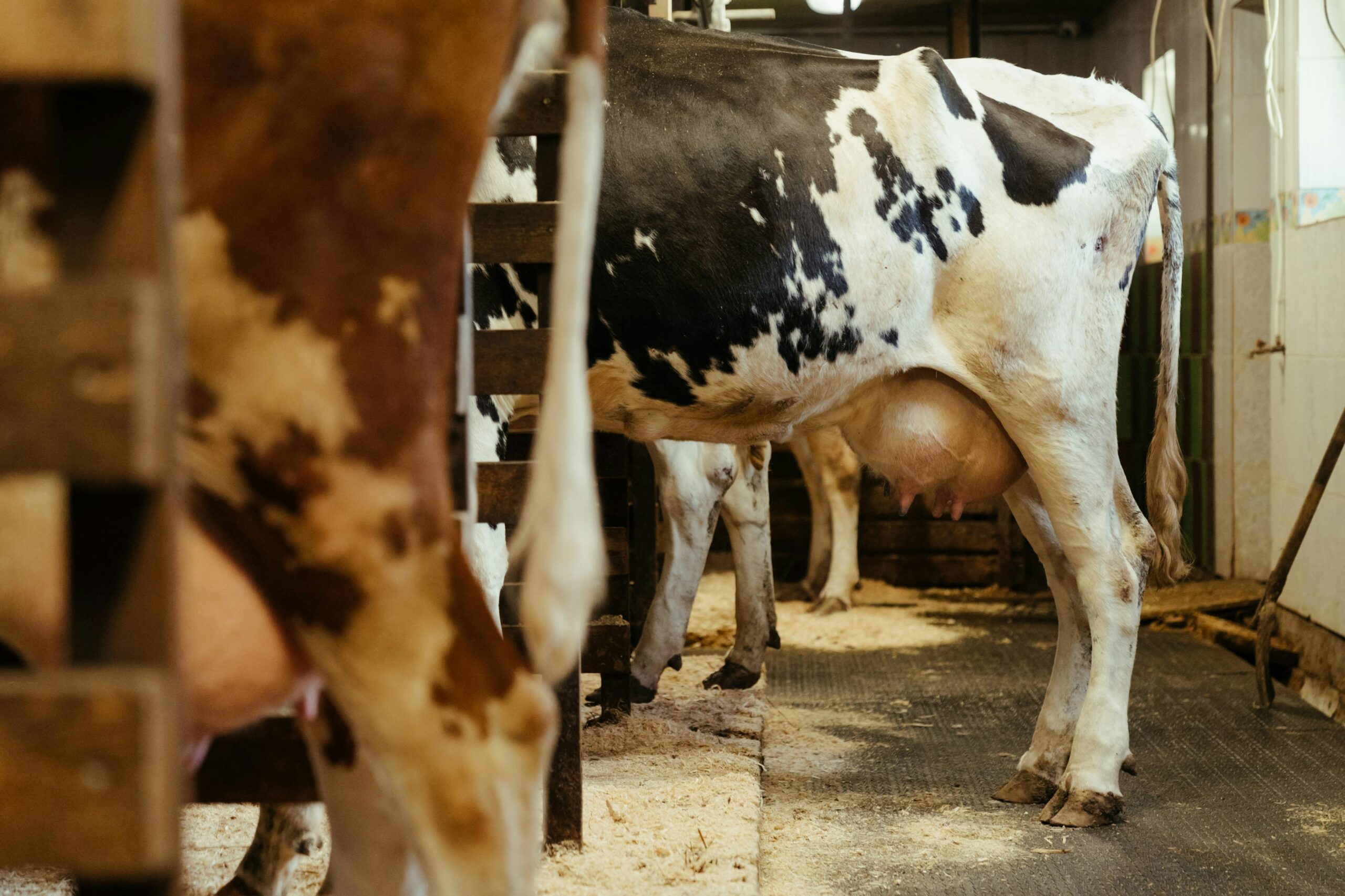
To address this issue, many countries are looking for alternatives to antibiotics to prevent resistant strains from spreading. This approach helps ensure antibiotics remain effective for emergency treatments, like surgeries and severe infections. Overusing antibiotics—whether in food production, treating minor injuries, or for livestock—leads to resistance in both humans and animals, making antibiotics less effective.
Natural Flora Boosters Solutions
Chrisal, a company from Belgium, has developed a probiotic technology that complements and will eventually replace antibiotics. This technology uses beneficial bacteria to tackle common infections. In Europe, this method has become more popular over the past decade as a way to fight antibiotic resistance. Pruex, a company that produces probiotics for livestock and crops, has partnered with Chrisal to bring this technology to the world. Pruex now operates in Africa, including South Africa, Zimbabwe, and Zambia, helping farmers improve their practices.
How Pruex Products Help
Pruex products aim to fight antimicrobial resistance (AMR) by encouraging responsible antibiotic use. By maintaining a balance of good bacteria, these products help reduce infections and the need for antibiotics. This approach not only enhances animal health and welfare but also prevents the spread of resistant bacteria. In this way abuse of antibiotics is reduced thereby reducing the bacteria that becomes resistant to new antibiotics and preserving them for an extended use and in emergency cases.
Case Study: Ross Farm, Zambia
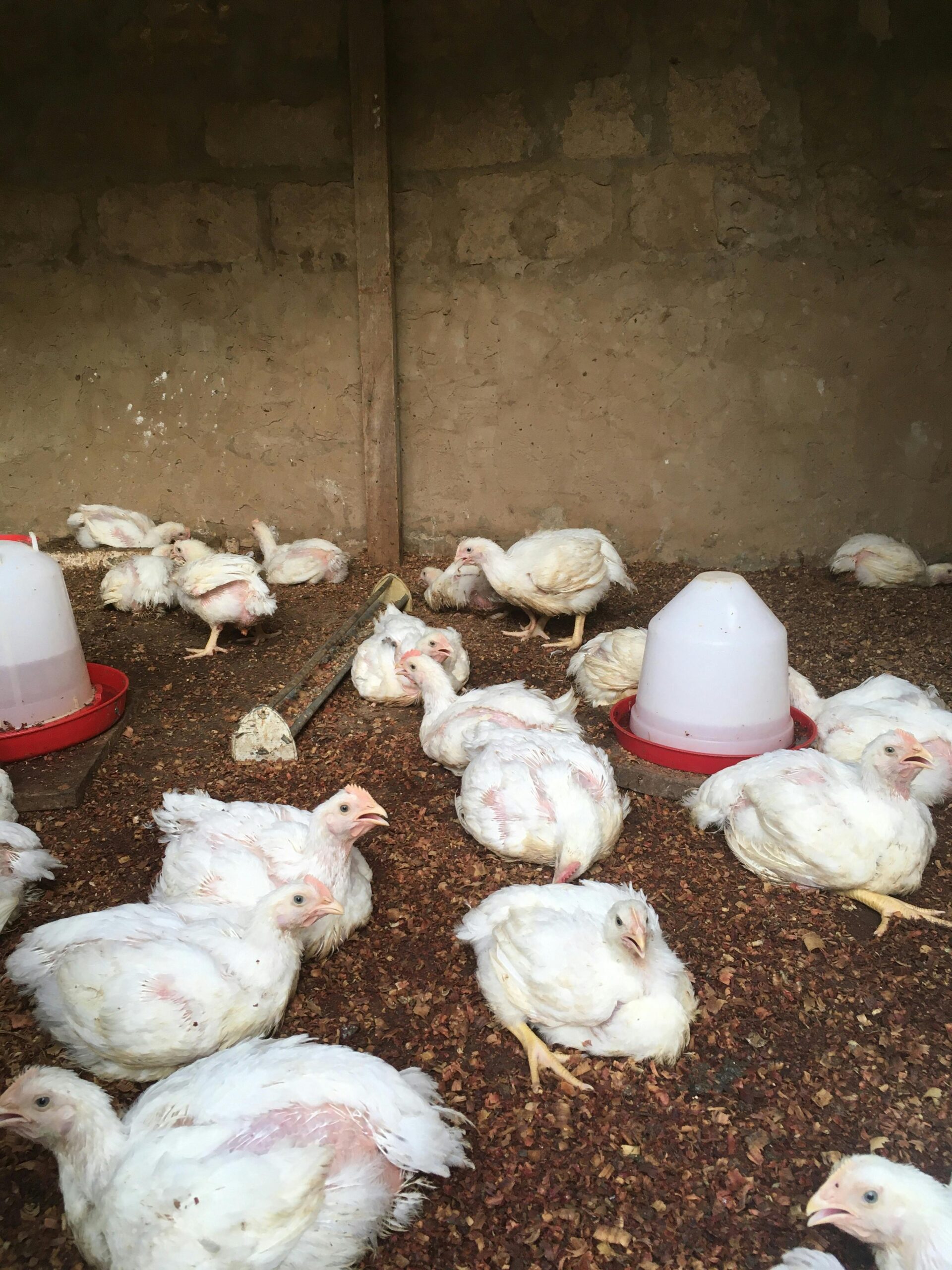
A perfect example is a Breeders Farm in Bulawayo experienced high death rates in young chicks in 2021 due to respiratory infections. Tests showed the birds had developed resistance to antibiotics therapy. That is when they were introduced to Pruex therapy, the farm saw improvements, lowering mortalities to below 2.5% in 2024, increasing growth rates, cutting costs of antibiotics, removing withdrawal period from the picture and boosting the margins. This proved the effectiveness of Pruex, since then they have never looked back.
In conclusion, the rise of superbugs is a serious global issue. By adopting probiotic solutions like those offered by Pruex, we can make significant progress in the fight against antibiotic resistance. This approach not only protects animal health but also ensures antibiotics remain effective for future generations.
For more information, you can check out the following references:
- World Health Organization (WHO)
- Centers for Disease Control and Prevention (CDC)
- Chrisal Probiotics
- Pruex